Wednesday, July 2, 2025

The Creative-Tech Convergence: Where Digital Marketing Magic Happens

By: Russell Johnson The Creative-Tech Convergence: Where Digital Marketing Magic Happens In the rapidly evolving landscape of digital marketing, a fascinating paradox has emerged. As technology becomes increasingly sophisticated, the brands that truly stand out aren't necessarily those with the most advanced algorithms or the biggest data sets. Instead, they're the ones that have mastered the delicate dance between cutting-edge technology and authentic human creativity. The secret weapon? It's not just about having the latest marketing automation tools or the most precise targeting capabilities. The real differentiator lies in our ability to interpret trends, decode cultural signals, and craft stories that resonate on a deeply human level. This intersection of technology and creativity isn't just nice to have—it's the foundation of effective digital marketing in the modern era. The False Dichotomy: Technology vs. Creativity For too long, the marketing world has treated technology and creativity as opposing forces. On one side, we have the data-driven analysts, armed with spreadsheets and conversion rates. On the other, we have the creative visionaries, focused on brand storytelling and emotional connection. This artificial division has led to campaigns that are either technically proficient but emotionally flat, or creatively brilliant but strategically unfocused. The reality is that today's most successful digital marketing campaigns emerge from the synergy between these two forces. Technology provides the canvas, the tools, and the distribution channels, while creativity provides the vision, the narrative, and the emotional resonance that transforms data points into meaningful human connections. Consider Netflix's approach to content recommendation. While their algorithm analyzes viewing patterns, engagement metrics, and user behavior, their success stems from understanding the cultural zeitgeist, recognizing emerging narratives, and creating content that speaks to our collective experiences. The technology enables precision, but creativity drives connection. Interpreting Trends: The Art of Cultural Archaeology In our hyperconnected world, trends emerge and evolve at breakneck speed. What's viral today might be forgotten tomorrow, and what seems like a passing fad could be the beginning of a cultural shift that reshapes entire industries. The ability to interpret these trends accurately isn't just about monitoring social media metrics or tracking search volume spikes—it requires a deep understanding of cultural context and human psychology. Successful digital marketers have become cultural archaeologists, digging beneath the surface of trending topics to understand their deeper significance. When TikTok's "quiet quitting" trend exploded, savvy marketers didn't just jump on the hashtag. They recognized it as a reflection of changing workplace values, evolving definitions of success, and a generation's desire for work-life balance. This deeper understanding allowed them to create content and campaigns that addressed the underlying cultural shift, not just the surface-level trend. The key is developing pattern recognition skills that go beyond the obvious. It's about seeing the connections between seemingly unrelated phenomena, understanding the historical context of current movements, and recognizing the emotional undercurrents that drive viral content. This requires both analytical thinking (to process vast amounts of information) and creative intuition (to synthesize that information into meaningful insights). Decoding Cultural Signals: The Language of the Digital Age Every piece of content we create, every campaign we launch, and every interaction we have with our audience sends cultural signals. These signals communicate not just what we're selling, but who we are, what we value, and which communities we belong to or aspire to join. Cultural signals operate on multiple levels simultaneously. There's the explicit message—the words we use, the images we share, the promises we make. But there's also the implicit communication—the aesthetic choices we make, the platforms we choose, the timing of our messages, and the conversations we join or avoid. Take the rise of authenticity in social media marketing. The shift from highly polished, aspirational content to more raw, behind-the-scenes glimpses wasn't just a creative choice—it was a response to changing cultural signals. Audiences began to associate perfection with inauthenticity, and brands that recognized this shift early were able to build stronger connections with their communities. The challenge for digital marketers is learning to read these signals accurately while avoiding the pitfalls of cultural appropriation or misinterpretation. This requires cultural competency, empathy, and the humility to listen more than we speak. It means understanding that different communities may interpret the same signal in vastly different ways, and that our role is to facilitate authentic connections rather than manufacture artificial ones. The Power of Resonant Storytelling At the heart of the technology-creativity convergence lies storytelling. While technology gives us unprecedented tools for reaching and engaging audiences, it's the stories we tell that ultimately determine whether those audiences become customers, advocates, or community members. Resonant storytelling in the digital age requires understanding both the medium and the message. Different platforms demand different narrative structures, visual languages, and engagement strategies. What works on LinkedIn might fall flat on TikTok, and what resonates with Gen Z might not connect with Baby Boomers. The art lies in adapting our core narrative to fit the context while maintaining its essential emotional truth. The best digital marketing stories don't just inform or entertain—they create shared experiences. They help audiences see themselves in the narrative, imagine better futures, or understand complex ideas in accessible ways. They bridge the gap between individual desires and collective values, between personal needs and universal truths. Consider how Patagonia has built their brand around environmental storytelling. Their campaigns don't just promote outdoor gear—they tell stories about conservation, activism, and the relationship between humans and nature. They use technology to distribute these stories across multiple channels, create immersive experiences, and build communities around shared values. But the technology serves the story, not the other way around. The Integration Imperative Moving forward, the most successful digital marketing strategies will be those that fully integrate technology and creativity from the ground up. This means involving creative thinkers in data analysis, including technologists in brainstorming sessions, and ensuring that every campaign is evaluated on both its technical performance and its cultural impact. It also means developing new metrics that capture the full spectrum of marketing effectiveness. While click-through rates and conversion numbers remain important, we also need to measure cultural resonance, emotional engagement, and long-term brand affinity. We need tools that can quantify the unquantifiable—the moment when a viewer stops scrolling to really look at our content, the conversation that continues long after our campaign ends, the subtle shift in perception that leads to brand loyalty. The future belongs to marketing teams that can seamlessly blend algorithmic precision with creative intuition, that can scale authentic storytelling across global audiences while maintaining local relevance, and that can use technology to amplify human creativity rather than replace it. Practical Applications: Where Theory Meets Practice So how do we put this integration into practice? It starts with organizational structure and mindset. Teams need to be designed for collaboration, with clear communication channels between creative and technical roles. Decision-making processes should incorporate both data-driven insights and creative intuition, with neither taking precedence over the other. Training and development programs should ensure that creative professionals understand the technical capabilities and constraints of digital platforms, while technical team members develop appreciation for creative processes and cultural sensitivity. This cross-pollination of skills creates more well-rounded marketers who can see opportunities and solutions that might be invisible to specialists working in isolation. Campaign development should begin with cultural insight, not technical capabilities. Start by understanding the human truth you want to communicate, the audience you want to reach, and the cultural context in which your message will be received. Then work backward to determine the most effective technological approaches for bringing that vision to life. The Competitive Advantage In a world where technological capabilities are becoming increasingly commoditized, the ability to interpret trends, decode cultural signals, and tell resonant stories becomes the ultimate competitive advantage. These skills can't be easily replicated or automated because they require uniquely human capabilities—empathy, creativity, cultural understanding, and the ability to make meaningful connections between seemingly unrelated concepts. The brands that will thrive in the coming years are those that view technology and creativity not as competing priorities, but as complementary forces that amplify each other's effectiveness. They'll use data to inform their creativity and creativity to humanize their data. They'll leverage automation to scale their storytelling and storytelling to give meaning to their metrics. Conclusion: The Future is Integrated The intersection of technology and creativity in digital marketing isn't just a trend—it's a fundamental shift in how we understand and practice marketing in the digital age. As the line between digital and physical experiences continues to blur, as audiences become more sophisticated and demanding, and as the pace of change continues to accelerate, the ability to seamlessly integrate technological capability with creative insight becomes not just advantageous but essential. The future belongs to those who can stand at the intersection of data and dreams, of algorithms and artistry, of metrics and meaning. The question isn't whether technology or creativity will dominate the future of digital marketing. The question is how quickly we can learn to make them dance together in perfect harmony, creating experiences that are both technically excellent and emotionally unforgettable. The brands that master this dance will find themselves not just participating in the future of marketing, but actively shaping it.

Saturday, June 21, 2025

Marketing Tricks Big Brands Use Every Day

By: Russell Johnson Every time you scroll through social media, walk into a store, or shop online, chances are you're being influenced by strategies carefully engineered by big brands. These marketing giants don’t leave things to chance—they use proven psychological tactics and behavioral insights to get your attention, build trust, and drive action. From subtle pricing strategies to emotional storytelling, these tricks are designed to embed their products in your memory and influence your decisions without you even realizing it. If you’re a business owner, entrepreneur, or content creator, understanding and applying these tactics can be a game changer. Let’s dive into the marketing tricks big brands use every single day—and how you can adapt them for your brand, no matter the size. 1. Psychological Pricing One of the most common marketing tricks used is psychological pricing. Prices like $4.99 or $19.97 aren't just random—they’re calculated to appear more affordable than round numbers. Why it works: Consumers perceive prices ending in .99 or .97 as significantly cheaper, even if it's only a cent or two less. This is called charm pricing, and it's proven to boost conversions. How big brands use it: Retailers like Walmart, Amazon, and Target frequently use this tactic. Online stores may also use tiers like "Only $49.99/month" instead of $50 to increase the appeal of their subscription plans. Tip for small brands: Use tiered pricing with charm pricing for your products or services. Test different versions (A/B testing) to see which drives better results. 2. Scarcity and Urgency Creating a sense of urgency makes people act faster. Whether it’s a limited-time offer or a low-stock alert, these messages tap into the human fear of missing out (FOMO). Why it works: Scarcity triggers our survival instincts. When something is about to be gone, it becomes more desirable. How big brands use it: eCommerce giants like Amazon use tags like “Only 2 left in stock!” or countdown timers for special deals. Brands like Supreme and Apple build hype with product drops and limited releases. Tip for small brands: Use phrases like “Limited stock,” “Offer ends soon,” or “Only 3 spots left” on your sales pages. Countdown timers in email campaigns or landing pages can also boost conversions. 3. Social Proof People tend to do what others are doing. That’s the basis of social proof, one of the strongest psychological influences in marketing. Why it works: We trust other people’s experiences. Reviews, testimonials, and user-generated content act as modern-day word-of-mouth marketing. How big brands use it: Amazon relies heavily on star ratings and verified reviews. Nike shares stories from athletes and everyday users alike. Even Netflix uses popularity indicators like “Top 10 in the U.S. Today.” Tip for small brands: Encourage happy customers to leave reviews. Display testimonials prominently on your site and share user-generated content on social media. A simple “Join 2,000+ happy customers” adds powerful credibility. 4. Emotional Storytelling Big brands understand that people don’t just buy products—they buy feelings. They tell stories that connect with your hopes, dreams, or values. Why it works: Emotions drive decision-making more than logic. A story that makes someone feel empowered, nostalgic, or hopeful can turn them into a lifelong fan. How big brands use it: Coca-Cola markets happiness and togetherness. Dove focuses on body positivity and self-esteem. Apple sells creativity and empowerment. Tip for small brands: Craft a compelling brand story. Talk about why you started, what you believe in, and how your product helps people live better lives. Add emotional appeal to your marketing content. 5. Repetition and Brand Consistency Big brands repeat their message across multiple channels—TV, social, email, product packaging, and more. This consistency creates familiarity and builds trust over time. Why it works: Repetition makes a brand memorable. The more someone sees your message, the more they trust and remember it. How big brands use it: McDonald’s golden arches, Nike’s swoosh, and the “Just Do It” slogan are instantly recognizable. Their message is consistent from ads to in-store experience. Tip for small brands: Stick to a consistent color palette, logo, voice, and tone across your website, social media, and emails. Make your messaging repeatable and memorable. 6. Anchoring Effect Anchoring is a cognitive bias where people rely heavily on the first piece of information offered. Big brands use this when setting prices or product tiers. Why it works: If you see a product that was “$199 now only $99,” the $199 acts as the anchor, making $99 feel like a great deal. How big brands use it: Software companies offer “Basic, Standard, Premium” plans, anchoring users to the high-end option while nudging them toward the middle. Tip for small brands: Use pricing tiers or strike-through prices. Offer a “compare at” price to make your current price seem like a bargain. 7. Personalization and Targeted Ads Thanks to data and AI, big brands now tailor marketing messages to individual users based on their behavior, location, or preferences. Why it works: Personalized messages feel more relevant and are more likely to lead to a purchase. How big brands use it: Netflix recommends shows based on viewing history. Amazon suggests products based on previous purchases. Facebook and Instagram show hyper-targeted ads. Tip for small brands: Use tools like email segmentation, retargeting ads, and personalized product recommendations. Even addressing your customers by name in emails boosts engagement. 8. Freebies and Lead Magnets Everyone loves free stuff. Big brands often give away freebies to get your attention and draw you into their funnel. Why it works: When someone receives something for free, they feel a sense of obligation (reciprocity) to return the favor—often by buying. How big brands use it: Brands like Sephora give away samples. Dropbox gave away free storage for referrals. HubSpot offers free marketing templates to collect leads. Tip for small brands: Offer a free eBook, checklist, webinar, or sample in exchange for an email address. Build your list and nurture those leads into paying customers. Conclusion: Learn From the Giants You don’t need a billion-dollar budget to use these marketing tricks. What you need is awareness and intention. Big brands succeed because they understand human psychology—and you can too. Start by testing one or two strategies from this list. Over time, you’ll notice patterns, gain insights, and build a stronger brand that connects deeply with your audience.

Tuesday, June 17, 2025

Pinterest’s TransAct V2: A Quantum Leap in Personalized Discovery

By: Russell Johnson Pinterest, the visual discovery engine that helps users find ideas for everything from home decor to travel planning, recently unveiled a major technological upgrade that’s set to reshape how its platform understands and responds to user behavior. The new model, called TransAct V2, represents a dramatic leap in the company’s personalization capabilities. While Pinterest previously tracked around 100 data points per user, TransAct V2 now processes over 16,000 unique behavioral signals. This evolution is not just a technical milestone—it has broad implications for users, content creators, and the entire ecosystem of digital discovery. From 100 to 16,000+ Signals: The Scope of the Change To understand the magnitude of this update, consider what tracking 100 data points might include: clicks, time spent on a Pin, saves, comments, search queries, and device type, for example. These data points formed the foundation for Pinterest’s recommendations and personalized timelines. But as users became more sophisticated and their journeys more complex, 100 signals were no longer enough to capture the nuance of behavior, intent, or interest over time. With TransAct V2, Pinterest has introduced a model that observes over 16,000 signals—more than 160 times the previous data volume. This includes minute details such as how long a user hovers over a Pin without clicking, how frequently they revisit certain categories, the nature of their engagement with specific formats (e.g., video Pins vs. static images), their interactions across seasons, and even micro-patterns that suggest evolving tastes. This expansion allows Pinterest to move beyond short-term engagement metrics to a deeper, more contextual understanding of individual preferences. Recognizing Long-Term Habits and Seasonal Trends Perhaps the most impactful aspect of TransAct V2 is its ability to recognize long-term habits and seasonal behaviors. For instance, a user who searches for gardening ideas every March might now be identified as someone who gardens as a seasonal hobbyist. Similarly, if someone consistently saves Halloween costume ideas every September, the system can understand this as part of their yearly behavioral pattern. Recognizing these trends allows Pinterest to time its content delivery more effectively. Instead of showing Halloween content in July or pushing holiday recipes in the wrong context, the algorithm can anticipate when a user is likely to begin searching for specific inspiration. This temporal awareness improves the overall user experience by ensuring that content aligns with users’ natural discovery cycles. Moreover, this personalized timing makes Pinterest more intuitive. It shifts the platform from being reactive (responding to explicit searches) to proactive (delivering relevant content before a user even asks). That shift is essential for maintaining engagement and driving long-term loyalty among users. Better Visibility for High-Quality Content Another significant benefit of this model is how it improves visibility for high-quality content. Under traditional ranking systems, content was often prioritized based on popularity—how many times it was saved or clicked. While effective to some extent, this system had drawbacks. It often favored viral content, regardless of quality or relevance, and it overlooked valuable Pins that might resonate more with niche audiences. TransAct V2 changes the game by incorporating a broader and more nuanced data set to assess what constitutes “quality.” This might include user satisfaction signals, such as whether users return to a Pin, whether they follow through on the ideas presented, and how often a Pin contributes to a broader session of discovery. Pins that foster deeper engagement, inspire multiple saves, or lead users to take action (like starting a project or making a purchase) may now rank higher. This shift encourages creators to focus on substance over style. Instead of chasing trends or algorithmic loopholes, content creators can be rewarded for producing meaningful, high-value content tailored to specific audiences. In essence, Pinterest becomes more meritocratic. Smarter Timelines and Enhanced Personalization With this model in place, Pinterest timelines become smarter—not only in the sense of knowing what a user likes but in understanding when and why they like it. For example, a person may be interested in baking but only actively engages with baking content around the winter holidays. TransAct V2 can recognize that behavior and ensure that relevant recipes surface at just the right time of year. This contextual awareness is further enhanced by the way Pinterest learns from implicit behaviors. A user doesn’t need to tell the system what they’re interested in every month. Instead, the system learns from past engagement patterns, preferences, and latent intent. By compiling 16,000+ signals into a cohesive behavioral model, Pinterest can generate a highly personalized experience that feels almost psychic in its accuracy. For users, this means less time searching and more time discovering. The content feels tailored not only to their interests but also to their lifestyle rhythms. It’s an experience that moves beyond recommendation to truly predictive curation. Broader Implications for Social Platforms and AI Pinterest’s TransAct V2 signals a broader trend within the digital landscape: the move toward hyper-personalization through AI-driven behavioral analysis. While companies like Netflix, Spotify, and Amazon have long invested in recommendation systems, Pinterest’s approach is particularly notable because of its focus on creativity, inspiration, and proactive content discovery. In many ways, this advancement pushes Pinterest closer to being not just a social platform or search engine, but a digital concierge—anticipating users’ needs and desires before they are even fully formed. As more companies adopt similar models, user expectations will likely shift. Static feeds and basic engagement metrics may soon feel outdated. People will come to expect platforms that understand not only their preferences, but their motivations, goals, and seasonal mindsets. Ethical Considerations and Data Privacy However, with such deep personalization comes a renewed responsibility to protect user data and maintain transparency. Processing 16,000 signals per user raises questions about data storage, consent, and user control. Pinterest must ensure that this model remains ethical, secure, and respectful of privacy. Ideally, users should have the ability to see what data is being collected and how it is being used. They should also be able to opt out of certain types of personalization if they choose. As personalization models grow more sophisticated, maintaining trust will be essential to the long-term success of platforms like Pinterest. The Creator Economy and Pinterest’s Future For creators and brands, TransAct V2 offers new opportunities to reach audiences more effectively. Since the algorithm is now better at understanding the value of content—not just its popularity—there’s room for emerging voices to find their niche. A small account posting high-quality, seasonally relevant content could potentially outperform larger accounts with generic material. This shift also aligns with Pinterest’s broader investment in the creator economy. The platform has rolled out features like Idea Pins, affiliate links, and shopping integrations to help creators monetize their content. With smarter ranking systems, these monetization tools become more powerful. Content creators can rely on the algorithm to connect them with the right audiences at the right time, driving both engagement and revenue. Conclusion: A New Era of Discovery Pinterest’s rollout of TransAct V2 represents a defining moment in the platform’s evolution. By scaling up from 100 to over 16,000 data signals per user, the company is transforming how it understands behavior, serves content, and supports creators. The ability to recognize long-term habits and seasonal trends leads to smarter timelines, more relevant suggestions, and increased visibility for high-quality content.

Tuesday, June 10, 2025

The Rise of Edutainment: How Blending Education with Entertainment Is Shaping Modern Learning

By: Russell Johnson In an age of rapidly evolving digital media, content consumption has shifted dramatically. Attention spans are shorter, information overload is common, and users expect more engagement and value in less time. In this environment, a new form of content delivery has surged in popularity: "edutainment"—a blend of education and entertainment that makes learning more accessible, enjoyable, and effective. Originally coined in the 1950s, the term "edutainment" has seen a renaissance in recent years thanks to the proliferation of social media, streaming platforms, and digital learning tools. From YouTube tutorials to TikTok explainers, podcasts, gamified apps, and interactive videos, edutainment is changing the way we think about education. The Shift in Learning Behavior Traditional learning methods often involved lectures, textbooks, and passive note-taking. While these still hold value, they don't always match the needs and preferences of modern learners—particularly Gen Z and Millennials who grew up in the digital era. These generations are more likely to turn to bite-sized videos, audio content, and gamified platforms to absorb knowledge quickly and enjoyably. The rise of platforms like YouTube, Duolingo, MasterClass, and even TikTok has highlighted the audience’s hunger for engaging, digestible educational content. Today, a science explainer can rack up millions of views, a history TikToker can attract a devoted following, and a gamified app can teach a new language better than traditional classes. Why Edutainment Works Edutainment appeals to the brain in a way that traditional education does not always achieve. Here's why: 1. Engagement: The primary strength of edutainment lies in its ability to capture and maintain attention. Entertainment elements like storytelling, humor, visuals, or music increase cognitive engagement, making the material easier to remember and understand. 2. Emotionally Resonant: When content evokes emotions—whether it's laughter, curiosity, or empathy—it becomes more memorable. Studies show that emotional content can enhance learning retention and information recall. 3. Microlearning-Friendly: Edutainment often comes in short, digestible formats perfect for today’s fast-paced lifestyles. Microlearning, or learning in small bursts, is proven to be more effective for long-term retention. 4. Accessible to All Ages: Whether it’s a child using PBS Kids, a teen watching CrashCourse on YouTube, or an adult bingeing a documentary series, edutainment caters to all demographics, increasing learning equity and participation. 5. Interactive and Participatory: Platforms that enable user interaction—like quiz-based learning apps or choose-your-own-adventure formats—promote active rather than passive learning, leading to better outcomes. Platforms Driving the Edutainment Boom A number of digital platforms have become powerhouses in the edutainment space: * YouTube: Arguably the most influential, YouTube hosts millions of educational channels that blend storytelling, visuals, and humor to teach everything from calculus to cooking. * TikTok and Instagram Reels: Short-form videos on these platforms make it easy to consume quick lessons on science, psychology, finance, and language—often in under a minute. * Podcasts: Shows like Stuff You Should Know, Radiolab, or The Daily combine journalistic storytelling with informative content that educates while entertaining. * Educational Games and Apps: Platforms like Duolingo, Kahoot!, and BrainPOP use gamification to make learning addictive and rewarding. * Netflix and Streaming Services: Shows like Explained, The Mind, Explained, and Our Planet are immersive educational experiences wrapped in high-production storytelling. Real-World Examples of Edutainment Success * CrashCourse: Founded by Hank and John Green, this YouTube channel offers well-researched video series on subjects like history, science, and literature. Its engaging visuals and quirky narration have made it a favorite among students and lifelong learners alike. * Duolingo: With over 500 million users, Duolingo turns language learning into a game. The platform’s use of streaks, points, and character-driven progress has revolutionized how people approach new languages. * Bill Nye and Neil deGrasse Tyson: These scientists became household names because they made science approachable, humorous, and fun to watch—long before YouTube made it mainstream. * Ms. Rachel: A newer example in children’s edutainment, Ms. Rachel on YouTube uses songs, speech techniques, and colorful visuals to help toddlers and young children develop language skills. Implications for Education Systems Edutainment doesn’t replace traditional education—it enhances it. Schools and universities are increasingly integrating edutainment elements into their curricula, especially in remote or hybrid learning environments. Tools like virtual labs, storytelling assignments, podcast creation, and interactive presentations are becoming part of lesson plans. Furthermore, teachers who use video content, real-world simulations, and games often report higher student engagement and better comprehension. For adult learners, edutainment offers opportunities for lifelong learning without the rigidity of formal education structures. However, critics raise valid concerns. The fast-paced and dopamine-driven nature of edutainment can sometimes compromise depth for entertainment value. There’s a risk of oversimplification or misinformation if content creators prioritize views over accuracy. This underscores the need for educational content to be both **engaging and credible**. The Role of Creators and Marketers For content creators and digital marketers, edutainment presents enormous opportunities: * Brand Storytelling: Brands that educate while entertaining can build stronger emotional connections. Think of health companies sharing wellness tips via Instagram Reels or financial apps explaining budgeting through TikTok skits. * Monetization: Content that adds value tends to attract loyal followers and can be monetized through ads, sponsorships, courses, and memberships. * Community Building: Educational entertainment often fosters vibrant communities of like-minded learners, increasing engagement and organic growth. * Thought Leadership: Experts who simplify complex topics with charm and accuracy can position themselves as thought leaders in their field. Future Trends in Edutainment As technology evolves, so will edutainment. Here are some emerging trends to watch: * Augmented Reality (AR) and Virtual Reality (VR): Interactive simulations and virtual field trips will make immersive learning more mainstream. * AI-Powered Learning: Chatbots and personalized AI tutors will enhance user interactivity in edutainment apps and platforms. * Voice-Activated Learning: With smart speakers like Alexa and Google Home, voice-based learning experiences will grow in popularity. * Interactive Streaming Content: Think Netflix episodes where viewers choose what the character learns next or explainer videos that adapt based on viewer questions. * Culturally Diverse Content: As global connectivity increases, edutainment will reflect more diverse perspectives, stories, and learning styles. Conclusion The blending of education and entertainment—once viewed as a novelty—is now a dominant force in how people consume and engage with knowledge. Edutainment is breaking down barriers, reaching underserved communities, making complex topics accessible, and igniting curiosity across generations.

Saturday, June 7, 2025

The Streamer University: What Young Content Creators Can Learn from Kai Cenat, Duke Dennis, and Others

By: Russell Johnson In the age of digital media, platforms like Twitch, YouTube, and Kick have birthed a new breed of celebrity — the streamer. Among these internet-born personalities, few have had the cultural impact and success of creators like Kai Cenat, Duke Dennis, Fanum, Agent 00, and the other members of the streaming collective AMP (Any Means Possible). Known for their infectious energy, hilarious collaborations, and viral content, they’ve taken streaming to new heights — and inadvertently built what some now call “The Streamer University.” This metaphorical university isn’t a physical campus with textbooks and professors. Instead, it’s a space — digital and mental — where viewers and aspiring creators can learn how to build brands, connect with audiences, monetize content, and collaborate for maximum impact. For young content creators or anyone trying to find their lane in the digital world, “The Streamer University” offers a wealth of lessons on growth, discipline, creativity, and authenticity. 1. The Rise of the Streamer Class Before diving into the lessons, it's important to understand the context. The traditional path to success — college, job, retirement — has changed for Gen Z. With the rise of social media and digital platforms, many young people see content creation as a viable career. Kai Cenat, who broke viewership records on Twitch, represents this new opportunity. His rise from comedic skits on YouTube to hosting celebrities like 21 Savage and Ice Spice shows what’s possible when talent meets hustle. Duke Dennis brings a different flavor to the mix, rising from NBA 2K gaming videos to becoming a charismatic lifestyle streamer with millions of fans. Together with others like Fanum and Agent 00, these personalities have created a digital classroom where fans don’t just watch — they learn. 2. Lesson 1: Consistency Is the Key to Growth One of the biggest takeaways from "Streamer University" is the value of consistency. Kai Cenat didn't become a Twitch superstar overnight. He posted videos and streams regularly for years. Even when he wasn’t pulling major views, he stayed active, experimented with content styles, and improved with each post. Consistency helps build an audience. It teaches discipline, and more importantly, it builds trust. Followers begin to expect content on certain days. Over time, this consistency transforms casual viewers into loyal fans. For aspiring streamers and content creators, this lesson is simple: You don’t need to be perfect every time — but you do need to show up every time. 3. Lesson 2: Authenticity Builds Brand Loyalty Kai Cenat’s wild personality, Duke Dennis’ calm confidence, and Fanum’s high-energy reactions are all authentic. They aren’t acting for the camera. Viewers gravitate toward their realness — the fact that they laugh loudly, cry on stream, and speak honestly about their lives. In a world where polished perfection often dominates social media, authenticity stands out. Young creators watching AMP or their spin-off content learn that being yourself — even when it’s not always marketable — can become your strongest brand identity. Authenticity fosters relatability. It creates parasocial bonds with viewers. For creators trying to build trust and engagement, being transparent and vulnerable can often achieve more than expensive production or over-edited clips. 4. Lesson 3: Collaboration Over Competition One of the greatest advantages of “The Streamer University” is its emphasis on collaboration over competition. AMP is a perfect example. Kai, Duke, Fanum, Agent, Davis, and Chris all have strong individual brands, but when they come together for AMP challenges, house vlogs, or skits, the content reaches a whole new level. These collabs show young creators that you don’t have to “make it” alone. By teaming up with others, you can create diverse content, reach new audiences, and build a support system. Collaborating also teaches humility — you’re part of something bigger than just your own channel. This mindset of group success has revolutionized streaming. Instead of hoarding ideas or staying isolated, creators now understand that community growth equals personal growth. 5. Lesson 4: Adaptability Is Everything The digital world moves fast. Algorithms change, trends fade, and platforms evolve. The success of creators like Kai Cenat proves that adaptability is crucial. Kai didn’t just stick to one format. He went from skits to prank videos, then to streaming, and now to large-scale live events. Similarly, Duke Dennis adapted his content from gaming to lifestyle and IRL (in real life) streams. Their flexibility allowed them to stay relevant and grow their brands. Young creators watching this learn that it's okay to evolve. You don’t have to be stuck in one niche forever. Instead, watch how your audience responds, learn new tools, and pivot when necessary. In the digital age, the ability to reinvent yourself is a superpower. 6. Lesson 5: Monetization Is a Skill One of the most underrated lessons from “Streamer University” is the importance of learning how to monetize your content. Kai’s multi-million dollar brand was built through Twitch subs, YouTube ads, brand deals, and merchandise. But none of that happened randomly. These streamers understand their value. They’ve built communities, engaged fans, and then turned that attention into income streams. They sell products, promote music, and launch campaigns. Some even explore acting and music, further diversifying their income. Young viewers who pay attention realize that monetization isn’t just about “getting lucky” — it’s about learning the business side of entertainment. This includes negotiating brand deals, understanding viewer retention, and building funnels (from content to product to sales). 7. Lesson 6: Representation and Cultural Impact Matter AMP isn’t just successful because they’re funny or creative. They matter because they represent underrepresented voices in streaming. As Black content creators, they’ve shifted the narrative and shown what’s possible. Their success encourages young people of color who may have never seen themselves represented in this space. They show that you don’t need traditional gatekeepers. You can create your own lane, build your own platform, and thrive. Their impact is cultural, not just algorithmic. It extends beyond Twitch and YouTube into music, fashion, and even mainstream media. 8. Lesson 7: You Can Turn Pain into Passion Many of the most successful streamers didn’t come from luxury or privilege. Kai has spoken about how he grew up in the Bronx. Duke Dennis has referenced challenges in his upbringing. Fanum and others have touched on struggles they faced growing up. Rather than letting these hardships limit them, they turned their stories into strength. Their drive, hunger, and work ethic were shaped by adversity. That’s a powerful lesson for any young person: Where you come from doesn’t define you — but how you respond to it does. In “The Streamer University,” pain becomes purpose. Struggle becomes content. Authentic storytelling becomes success. 9. The Takeaway: You’re the Next Class At the end of the day, the biggest message of “The Streamer University” is this: Anyone can do this. You don’t need fancy equipment to start. You don’t need to be perfect. What you need is passion, patience, and purpose. The success of creators like Kai Cenat and Duke Dennis isn’t about luck. It’s about strategy, hustle, and heart. If you're a young person watching these streamers, don’t just be entertained — be inspired. Study how they structure their streams, how they edit videos, how they market themselves, and how they build communities. Apply those lessons to your own creative journey. In the ever-expanding world of digital media, the classroom is open. The professors are streaming. And the next success story? It possibly could be you.

Thursday, June 5, 2025

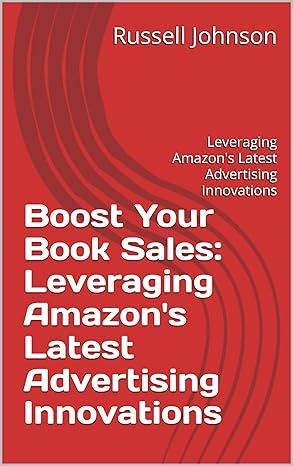
Preview chapters 1-2 free! from my new book/eBook: "Boost Your Book Sales: Leveraging Amazon’s Latest Advertising Innovations

Title: “Boost Your Book Sales: Leveraging Amazon’s Latest Advertising Innovations” by: Russell Johnson 1. Understanding Amazon’s Advertising Ecosystem.......... 2. Getting Started with Amazon Ads....................... Preview chapters 1-2 free! Link: https://shorturl.at/c7f1n 🔹Discover all the strategies inside the full book—start reading today: https://books2read.com/u/3R7RRY Table of Contents: 1. Understanding Amazon’s Advertising Ecosystem..........1 2. Getting Started with Amazon Ads.......................5 3. Targeting Your Audience Effectively...................9 4. Crafting Compelling Ad Copy..........................13 5. Designing Eye-Catching Visuals.......................17 6. Leveraging New Advertising Features..................21 7. Budgeting and Bid Strategies.........................25 8. Analyzing Ad Performance.............................29 9. Case Studies of Successful Campaigns.................33 10. Advanced Advertising Techniques.....................37 11. Staying Updated with Amazon Innovations.............41 12. Conclusion and Next Steps...........................45 13. Using Influencer Marketing to Promote Books.........49 14. Maximizing Exposure with Amazon Author Central......55 15. Building a Long-Term Marketing Funnel...............61 16. Preparing for International Book Promotion..........67 About the Author........................................75 Resources and Tools ……………………..79 #digitalmarketingforbeginners #Amazonads

Tuesday, June 3, 2025

How to Reduce Cart Abandonment in E- Commerce

by: Russell Johnson Cart abandonment is one of the most persistent challenges in the world of e-commerce. Despite retailers' best efforts to drive traffic and attract interest, a large percentage of shoppers leave their online carts without completing the checkout process. According to industry reports, the average cart abandonment rate across industries hovers between 60% and 80%. Understanding the causes behind this phenomenon—and applying targeted solutions—is critical for digital marketers and online business owners who want to maximize revenue and improve user experience. This essay explores six practical strategies to reduce cart abandonment in e-commerce. 1. Simplify the Checkout Process One of the most common reasons shoppers abandon their carts is a complicated or lengthy checkout process. Customers expect convenience and speed, and anything that disrupts this flow—such as unnecessary form fields, forced account creation, or too many pages—can cause friction. A streamlined, user-friendly checkout experience should involve as few steps as possible. Options like guest checkout, auto-filled information fields, and clear progress indicators significantly enhance the process and reduce the likelihood of abandonment. 2. Offer Multiple Payment Options A lack of preferred payment methods can also lead to cart abandonment. Today’s consumers expect a variety of payment options, from traditional credit and debit cards to digital wallets like Apple Pay, Google Pay, and PayPal. Expanding payment flexibility caters to a wider audience, including international buyers, and ensures that no customer is forced to abandon their cart due to limitations at the point of purchase. 3. Use Exit-Intent Popups Exit-intent technology is a powerful tool for recovering potentially lost sales. These popups are triggered when a user moves their cursor toward the browser’s close button, signaling an intention to leave the site. Marketers can use this moment to display a targeted message—such as a limited-time discount, free shipping offer, or reminder of items in the cart. While they must be used thoughtfully to avoid annoying users, well-designed exit-intent popups can be remarkably effective in re-engaging hesitant shoppers. 4. Send Abandoned Cart Emails Automated abandoned cart emails are a staple in any e-commerce remarketing strategy. These messages serve as gentle reminders for shoppers who left items behind, often including product images, persuasive copy, and incentives like discounts or free shipping. Ideally, the first email should be sent within a few hours of abandonment, followed by one or two more over the next day or two. Personalization, urgency, and clear calls-to-action make these emails more compelling and likely to convert. 5. Display Trust Signals Trust plays a vital role in online shopping decisions. Customers are often wary of unfamiliar websites or potential scams. E-commerce brands can build credibility and confidence by displaying recognizable trust signals throughout the site—particularly on product pages and during checkout. These may include SSL certificates, secure payment icons, customer reviews, money-back guarantees, and easy return policies. When users feel safe and reassured, they are much more likely to complete their transactions. 6. Provide Free or Transparent Shipping Unexpected shipping costs are one of the top reasons shoppers abandon their carts. If free shipping is not feasible, businesses should at least be upfront about costs early in the buying process. Tools like shipping calculators or clear pricing breakdowns prevent surprise fees at checkout. Additionally, offering thresholds for free shipping (e.g., “Free shipping on orders over $50”) can encourage customers to complete or even increase the size of their order. Conclusion Reducing cart abandonment is not about a single magic fix, but rather a holistic approach to improving the shopping experience. By simplifying checkout, offering diverse payment methods, using exit-intent strategies, sending reminder emails, showcasing trust signals, and being transparent about shipping, e-commerce businesses can significantly lower abandonment rates and recover lost revenue. In an increasingly competitive online marketplace, these strategies can make the difference between a missed opportunity and a loyal customer.

Strategies to Adapt Email Marketing to Apple Mail Privacy Protection in 2025

By: Russell Johnson Apple’s ongoing push for user privacy continues to reshape how marketers measure, engage, and build relationships wi...